University of Edinburgh logo British Antarctic Survey logo National Oceanographic Centre logo University of Leeds logo

SENSE students comment on the future of UK space science

The UK parliament published a report on “UK Engagement with Space” (November, 2025), to guide future government policy on space and Earth observation.

To compile this report, evidence was sought from a broad range of stakeholders in this call. Although after the submission deadline, SENSE students attended a policy workshop in September 2025, and in a role-play environment, they discussed and constructed written responses as if they were submitting evidence to the call. Their responses highlight how the future of UK space is envisioned by the next generation of leaders in Earth observation.

A special mention goes out to SENSE PGRs Katie Lowery and Sam Fielding who coordinated the collection of the following outputs:


Q. How might the UK capitalise on new space technologies, such as nuclear engines, space-based solar power, in-space manufacturing, resource extraction, active debris removal, in-orbit servicing and artificial intelligence?

The UK has a strong foundation in aerospace engineering, research, and innovation, which positions it well to capitalise on emerging space technologies. Nuclear propulsion, for example, could drastically reduce travel times for deep-space missions and increase payload capacity, offering opportunities for the UK to develop cutting-edge propulsion systems in collaboration with its thriving nuclear and aerospace sectors. Space-based solar power could also become a major area of investment, allowing the UK to harness renewable energy from orbit and strengthen its leadership in sustainable technologies while contributing to national and global net-zero goals.

Artificial intelligence also holds enormous potential for enhancing Earth observation (EO), an area where the UK already has strong expertise and infrastructure. AI could be used to process and interpret vast volumes of satellite data more efficiently. By integrating AI with EO, the UK could deliver faster, more accurate environmental monitoring and disaster response systems, supporting both national resilience and global sustainability efforts. Furthermore, advances in machine learning could enable real-time analysis onboard satellites, reducing the need for extensive data transmission to Earth. This capability would position the UK as a leader in intelligent EO systems, with applications ranging from climate modelling to agricultural monitoring and natural resource management.

Foundation models and geospatial reasoning could significantly change how people use Earth observation data. By training large, self-supervised models on global EO datasets, the UK could help develop systems that let users query satellite data in natural language — essentially a “ChatGPT for Earth Observation.” This approach would allow policymakers, researchers, and non-specialists to ask straightforward questions and receive clear, data-driven answers without needing specialist knowledge. It would make complex geospatial information more accessible and practical for tasks such as monitoring environmental change, planning land use, or responding to natural disasters.

In early 2022 the Starlink satellite constellation lost 40 satellites due to Space Weather effects. As a result, Starlink now has an automatic orbital adjustment system whereby during major space weather events the satellites gain altitude to avoid the expansion of the ionosphere, which increases drag and leads to burnup in the Earth’s atmosphere, and is also used for collision avoidance. With this development (and the fact that Starlink and other companies have increased their number of satellites in sensitive orbits by orders of magnitude in the last 10 years), it seems clear that the path forward for orbital adjustments for collision avoidance and to avoid unwanted space weather or other effects is to allow the satellites to adjust their orbits automatically through AI techniques. Doing so should allow a greater level of autonomy, which in turn will allow for less supervision of satellites within ESA and other UK collaborations, allowing resources to be redistributed elsewhere, and allow the UK to become a world leader in satellites with automatic avoidance systems. The UK already has access to a comprehensive catalogue of objects in orbit, further facilitating this transition. Such a development would therefore allow a higher density of satellites to operate safely in low (and other) Earth Orbits, an issue of significant importance as the number of satellites operating continues to grow year-on-year.

Q. From a business perspective, what are the opportunities and challenges resulting from operating in the UK?

Uncertainty in future collaboration/mission continuity with other space agencies (e.g. NASA shutdown of the Orbiting Carbon Observatory (OCO) missions and uncertainty in the future of Landsat missions) requires growing private sector engagement with using EO satellites for addressing outstanding challenges. The UK hosts a large number of institutions conducting world class research in EO applications within various areas including climate change (Met Office), sea level rise, biodiversity loss, extreme events prediction and disaster preparedness. Access to data, computing facilities and infrastructure as well as multilateral partnerships with international organisations (ESA, NASA, etc.) are supported through government funding and are indispensable for meeting scientific challenges. Most importantly, this research contributes crucial evidence for mitigating impacts of global change on the UK people and economy and also contributes significantly to these efforts globally. Continued support of EO programs is therefore crucial for sustaining these efforts. As reported in a document titled “Investigating UK public sector demand for Earth Observation technology” produced by Geospatial Commission and Satellite Applications Catapult, satellite-derived EO yields ~£1 billion per year of benefit to the UK across nine civilian areas (with ~£64 million direct operational value to government).

Q. Legal framework for international space regulation

With an increasing number of researchers and scientists using AI resources for various purposes (data handling and processing, literature review and more), it is urgent to develop robust artificial intelligence tools with a clear safety framework. Safeguarding data being processed with AI tools is a crucial topic and requires governmental concern. Major risks include data leaks, disclosure of confidential data, and the threat of data being stolen by ill-intended users. ‘Open-source’ AI urgently needs clear regulation as well as transparent terms of use. In parallel, private sectors require the same level of safety regarding the use of AI tools. 

With the rapid development in AI that has been seen over the recent years, and likely will be seen over the upcoming years, care needs to be taken to ensure that the speed of this development does not come at the expense of safety. It is therefore vitally important that there is investment into the defence against the inevitable backfire or malfunctions of AI that occur as it develops as there is into its development. The amount of investment put into AI development should at least match the investments put into safety and protection towards AI risks and limitations.

AI regulations cannot be developed on a national level. As competition in this sector is extremely high, a pursuit for the ‘upper hand’ in AI development could lead to irreversible damage and uncontrolled evolution of AI models. Clear ethical boundaries should be set on an international level. Joint projects could also pave the way for a harmonised vision on AI regulations across the different international actors.

These regulations need to enforce safe and ethical international competition. They should be aiming to end the system of “first come first served” and move forward with a framework which allows later innovators to compete with early adopters – for example, the Starlink constellation may make it impossible for late entries into the satellite internet race. This becomes increasingly pressing with the potential for the Moon and Mars to be colonised by non-state actors acting with impunity as there is no relevant legal framework (for example, Elon Musk’s Starlink terms of service famously includes a clause that you must agree to that Mars does not come under the jurisdiction of any Earth-based authority). These non-state actors will then have the ability to restrict access to space resources for future adopters if a regulatory framework is not developed.

Q. Education and Skills: Addressing the UK Space Sector Skills Gap

The UK space sector faces a significant skills gap. According to the Space Sector Skills Survey 2023, 52% of organisations reported gaps in their current workforce, citing difficulties recruiting and retaining staff. The hardest roles to fill include software and data specialists, AI/ML experts, systems engineers and other senior technical positions. This skills shortage is both quantitative (too few people) and qualitative (mismatch between current skills and industry needs). This skills gap is driven by a combination of rapid industry growth, evolving technical demands, and competition for talent with other high-tech fields. As new areas such as in-orbit servicing, AI-driven data analysis, and advanced propulsion systems emerge, the demand for highly skilled engineers, data scientists, and systems specialists has outpaced the supply of qualified graduates. Many university programmes have not yet adapted to cover the interdisciplinary mix of space science, engineering, computing, and business skills now required. Additionally, limited awareness of career opportunities in the space industry and the concentration of jobs in specific regions can make it harder to attract diverse talent. These factors, combined with global competition for expertise in key areas like software development and AI, have created persistent challenges in meeting the sector’s growing workforce needs.

Addressing the UK space sector skills gap will require a coordinated approach across education, industry, and government. Stronger partnerships between universities and industry can help ensure graduates are equipped with the skills employers need by co-designing courses that include more practical training, labs, internships, and micro-credentials in areas such as data science, AI/ML, and systems engineering. Expanding mid-career training and continuing professional development (CPD) opportunities is equally important, enabling professionals to upskill or transition from related industries into space-related roles. Early outreach initiatives, such as SENSE’s SatSchool Outreach, can play a vital role in inspiring the next generation by introducing Earth observation and space science to school students. Integrating EO concepts into the school curriculum — and highlighting how they connect to subjects like geography, physics, and computing — could further boost engagement and interest in STEM careers. Alongside education, clearer career pathways and stronger retention strategies, including mentoring and leadership development, are needed to maintain talent within the sector. Finally, investment in regional training hubs and infrastructure will help ensure growth is inclusive, reducing geographic barriers and expanding access to opportunities across the UK.


SENSE Industry Symposium 2025

The 2025 SENSE Industry Symposium was hosted at Nexus, the University of Leeds’ hub for research and innovation. The event brought together current SENSE students, alumni, affiliated staff, and industry professionals for a morning of engaging talks and panel discussions.

The day began with a welcome from Professor Kathy Whaler, who highlighted the achievements of the SENSE Centre for Doctoral Training and set the tone for a collaborative and forward-looking event.

Luca Budello, Knowledge Transfer Manager in the Geospatial Insights team at Innovate UK, delivered a compelling talk on the drivers and opportunities within the evolving space economy. He traced the development of the space industry from its origins to the present day, offering insights into its future trajectory.

The focus flowed nicely to artificial intelligence and Earth Observation (EO), with a talk by Dr Richard Walters, a Lead Research Data Scientist with the Alan Turing Institute. Richard shared his career journey, including his postdoctoral work at Leeds, touching upon his time working in both academia and industry, and explored key innovations in AI and machine learning within EO. 

The first panel, chaired by Rebecca Wilks, a SENSE PhD student, explored collaborative research between academia and industry. Panellists offered valuable perspectives on navigating both sectors and shared practical advice for successful partnerships relevant to both students and industry professionals in attendance. 

The event concluded with a forward-looking panel on Future Opportunities in Earth Observation, chaired by Professor Whaler. This session was particularly insightful for students nearing the end of their studies, highlighting emerging trends and potential career paths in the EO sector.

Overall, the symposium was a great success – it brought people together, sparked meaningful conversations, and highlighted how important collaboration between academia and industry is for the future of Earth Observation. 

We would like to extend our thanks to our collaborators Space Hub Yorkshire and UKEONs for their invaluable contribution to our event, and to our speakers and panel members – your insights and expertise greatly enriched the conversation, and your participation was instrumental in making the event a success. We have received wonderful feedback from students who appreciated the depth and breadth of knowledge shared. Thank you once again for your time and effort. We look forward to the opportunity to collaborate with you in the future. 

Viva success: Dr Lucy Wells

Congratulations to Lucy Wells who successfully defended her PhD thesis: “Mapping the world’s dry tropical biomes; a structural and functional approach using remote sensing”.

The panel of examiners was very impressed with Lucy’s depth of knowledge, methodological rigor and impactful findings.

A special thank you note goes out to Lucy’s supervisor, Dr Casey Ryan, Dr Kyle Dexter and both examiners, Dr Patrick Meir and Dr Nicola Stevens.

During her time as a SENSE student, Lucy enjoyed her training programme and networking opportunities that helped to connect with other SENSE students. Lucy also praised the support received through her CASE partner and supervisory team. In her own words:

My supervisory team based in Edinburgh were excellent and we had a very good working relationship. I was able to use various areas of expertise from my supervisors when I needed it and was welcomed into both research groups. The same is also true of my additional supervisor at Exeter university, who we added to the team when I began my PhD as he has relevant experience working in Brazil, where I undertook a lot of my research.

Lucy has already secured a role as a Postdoctoral Research Associate at Edinburgh University in Landscape-Scale Ecology and Natural Capital Accounting.

SENSE would like to take this opportunity to thank our funder the Natural Environment Research Council, Lucy’s CASE partner institution Highlands Rewilding, SENSE wider community, and Lucy’s family and friends, for their invaluable support and input into Lucy’s PhD journey.

From all of us at SENSE – congratulations! Wishing you all the very best in your future career.

Viva success: Dr Philipp Barthelme

Congratulations to Philipp Barthelme who successfully defended his PhD thesis: “Impact of humanitarian mine clearances on tropical forest carbon storage”.

The panel of examiners was very impressed with Philipp’s dedication and enthusiasm for his research, and commended his constructive and comprehensive evaluation that demonstrates a deep understanding of the research topic.

A special thank you note goes out to Philipp’s supervisor, Dr Gary Watmough, Dr Eoghan Darbyshire, Prof Dom Spraklen and Prof Iain Woodhouse, and both examiners, Dr Catalina Munteanu and Prof Caroline Nichol.

During his time as a SENSE student, Philipp enjoyed his training programme, trips and networking opportunities that helped him to broaden his perspective and to connect with other SENSE students, in particular through an initiative of starting the ML4GEO group in Edinburgh. Philipp also praised the support received through his CASE partner. In his own words: “I had a great internship with my CASE partner, the Conflict and Environment Observatory. I think having and internship integrated in the PhD really provides useful information on how potential jobs after the PhD might look like and if they could be a good fit.”

Philipp has already secured a postdoctoral research post at Oregon State University on damage mapping in conflict settings.

SENSE would like to take this opportunity to thank our funder the Natural Environment Research Council, Philipp’s CASE partner institution CEOBS, SENSE wider community, and Phillip’s family and friends, for their invaluable support and input into Philipp’s PhD journey.

From all of us at SENSE – congratulations! Wishing you all the very best in your future career.

Fieldwork in Yukon

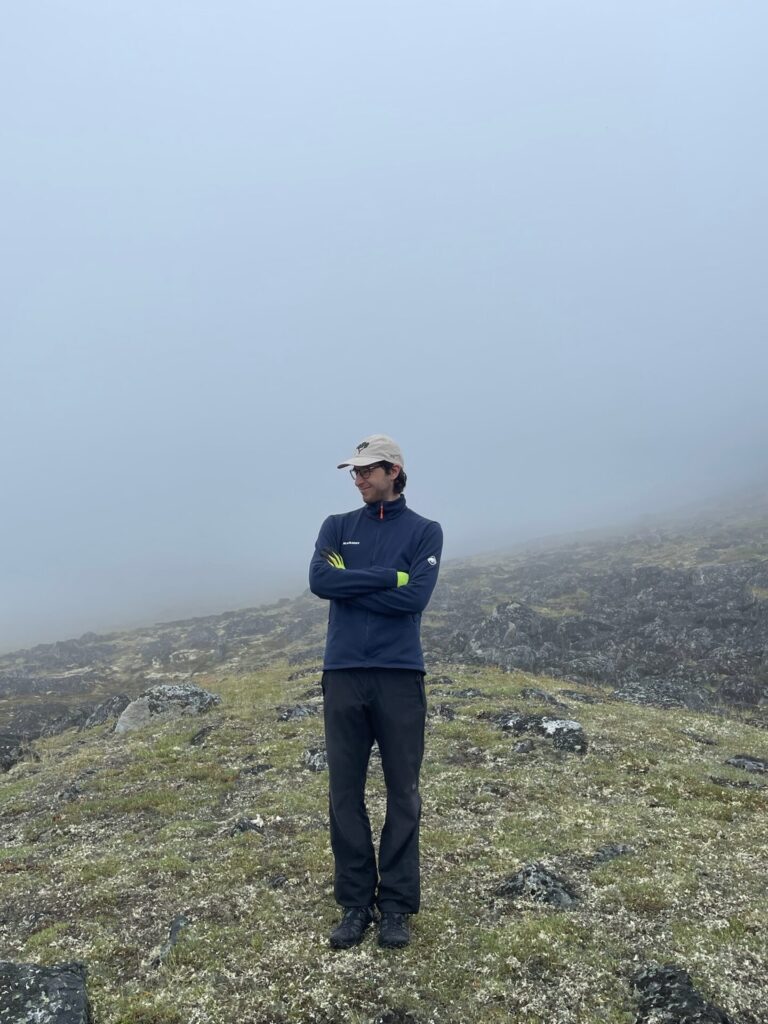
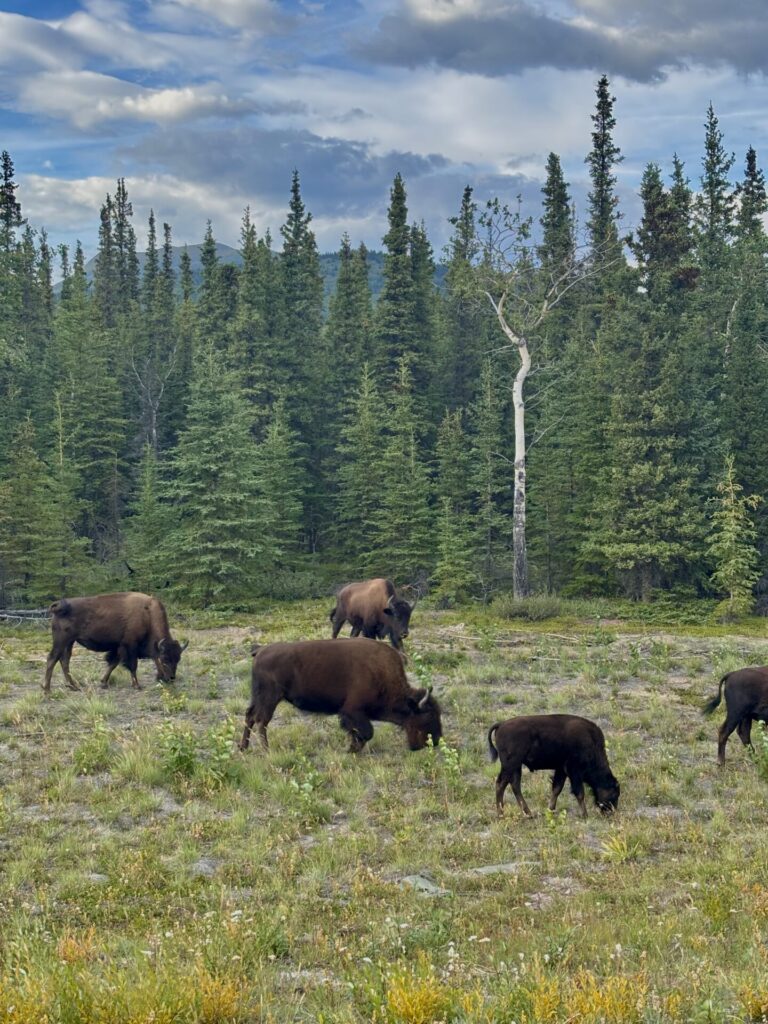
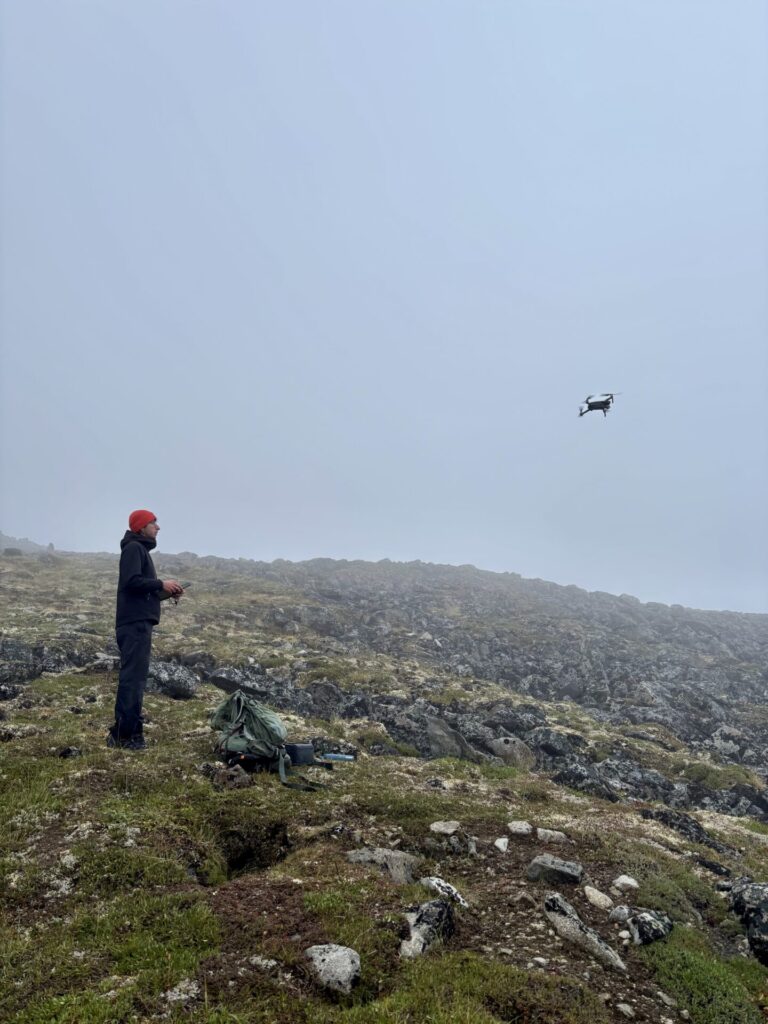
Last August I had the opportunity to join my supervisor Isla and her research team based in Canada for a fieldwork season in the Yukon. This trip allowed me to learn a great range of methods and field techniques that ecologists and biologists use for their research. I gained a lot of experience working with skilled scientists, and I had the opportunity to enjoy breathtaking landscapes and secluded study sites. I had the occasion to fly drones as part of conservation research which provides me with great experience for my future PhD work, and I learnt more about the organisation behind a field season in the Arctic. I am very thankful to SENSE for allowing this incredible fieldwork trip, it will remain an unforgettable memory!

Grégoire Canchon

SatSchool Goes Global: SENSE Student Initiative Featured on International CEOS Platform

SatSchool, the Earth Observation outreach initiative, has achieved international recognition after its educational materials were adopted by the UK Space Agency (UKSA) for the Committee on Earth Observation Satellites (CEOS) Youth Hub. This global platform aims to inspire the next generation of climate scientists and Earth Observation experts.

Founded by SENSE PhD students, SatSchool develops free learning resources to teach school pupils about Earth Observation and its vital role in monitoring our planet. The inclusion of these materials on the CEOS Youth Hub places this student-led work on a global stage, making the resources accessible to a worldwide audience of young learners.

The collaboration began after Patrick Gibson, the Earth Observation Climate Lead at UKSA, saw a presentation by the SatSchool team at a SENSE event. Impressed by the quality of the outreach, UKSA initiated discussions to feature the materials as part of their CEOS chairmanship activities. In an email sharing the news, Beth Greenaway from the UK Space Agency celebrated the launch, noting that the students’ ‘work has real impact globally now!’

Leam Howe, current chair of the SatSchool team, commented on the achievement:

“We are absolutely thrilled to see the workshops and resources we’ve developed being shared on such a prestigious international platform. This journey started with an opportunity to present our work within the SENSE community, which directly led to this fantastic collaboration. It showcases the incredible value of student-led projects and the supportive environment within our training programme.”

This achievement underscores the quality and real-world impact of the work being done by SENSE students, demonstrating how their passion for outreach can lead to global opportunities.

Get Involved with SatSchool

Building on this momentum, the SatSchool team is looking for new members to join their mission. The upcoming Annual General Meeting (AGM) on Wednesday, 26th November 2025 (13:00 GMT, online) is the perfect opportunity to learn more. A variety of committee and member roles are available to suit all skill sets and schedules.

Students interested in joining can register for the AGM here.
To be kept in the loop and receive the quarterly newsletter, you can join the SatSchool mailing list.

Find Out More

The CEOS Youth Hub: https://ceos.org/youth/
SatSchool’s Website: https://satschool-outreach.github.io/

ESA Science Hub Challenges September 2025

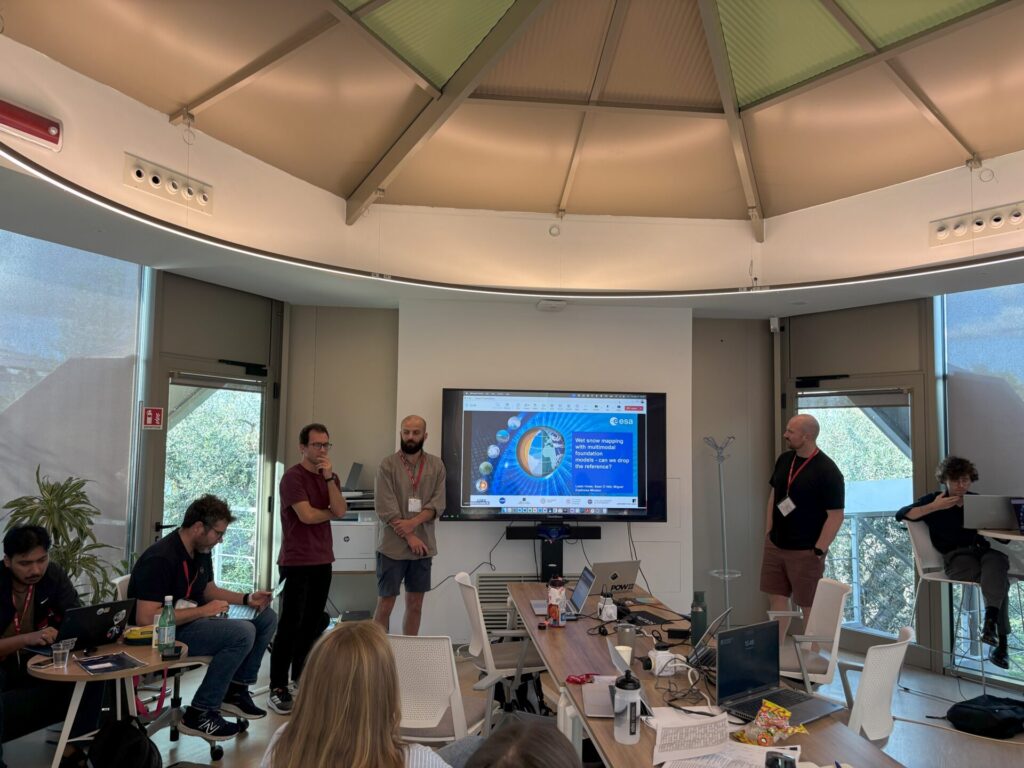
Earlier this September, SENSE students from the Universities of Edinburgh and the University of Leeds joined peers from the University of Venice for the latest ESA Science Hub Challenge, hosted at ESA’s ESRIN facility in Frascati, Italy.

Across four days, students explored cutting-edge Earth Observation science through expert talks, collaborative projects, and visits to ESA’s Φ-Lab. Working in teams, they tackled scientific challenges on topics ranging from aerosols and clouds to ocean monitoring, snow and ice, and glacier change — using ESA’s advanced data platforms to develop solutions in a short time frame.

The event provided a valuable opportunity for SENSE PhD students to network with European peers, gain direct insights from ESA scientists, and contribute to ongoing research efforts. Many of the projects will continue to evolve, with student outputs planned for publication on the ESA–NASA–JAXA Earth Observation Dashboard.

We are proud to see SENSE students taking part in this exciting initiative, showcasing the importance of collaboration and innovation in environmental data science.

Read more here: Science Hub Challenges: September 2025 – ESA Science Hub


Previous Science Challenges editions:

A week of collaboration and discovery at the Science Hub with University of Edinburgh and University of Leeds – ESA Science Hub

3rd Earth System Science Challenge – ESA Science Hub

Conference Poster Prize


“The Channel Network Conference gathers mathematicians and statisticians to discuss latest methods for biometric applications. At the tenth iteration, around 100 participants gave talks, keynotes and short courses covering new approaches in Bayesian, machine learning and parametric methods for as many fields: e.g. medicine, farming, natural resources and ecology. The hosting University of Liege is definitely worth a visit as well. For my poster presentation on how forest structure is influencing the biomass-backscatter relationship, I was awarded the conference prize”.

– Lennart Hoheisel

We would like to thank our funder the Natural Environment Research Council for supporting our student in his PhD journey.

ISRSE40 by Reason Mlambo

Reason Mlambo, our Edinburgh PhD student in GeoSciences, recently attend ISRSE40 in Farnborough, and here are his main take aways from the conference. In Reason’s own words:

“Attending the 40th International Symposium on Remote Sensing of Environment (ISRSE40) was a really insightful experience. The event brought together experts from academia, industry, and government, all focused on how Earth observation (EO) technologies are shaping our understanding and management of the planet. The academic sessions were quite enlightening, and covered a wide array of EO applications—from monitoring crops to urban planning and mitigating climate change. Another highlight were the panels – notably the ones on EO’s role in sustainable development. It’s clear that EO technologies have a big part to play in helping us achieve sustainability goals. The discussions were broad, touching on everything from technical issues, societal impacts as well as ethical implications of deploying EO technologies in the era of AI. These exchanges underscored the pivotal role EO data has in informed policymaking and efficient resource management. I particularly enjoyed the mentoring sessions which took place every day during lunchtime. During these sessions I had the privilege to meet experienced professionals in the EO sector, who shared career advice, industry trends, and their own experiences in the field. A recurring theme throughout the conference was the underutilisation of EO data. Despite the vast amounts of EO data being collected “… only about 3% is actually being meaningfully utilised”. It was noted that there’s a real chance here for the EO community to step up and show how this data can be better leveraged across different sectors.

I also made a quick stop at the Farnborough Space Show, which was taking place concurrently with the conference. It was exciting to see what’s new in the space sector, with companies showcasing the latest in satellite technology and data analytics. Events like these give a great peek into future possibilities in EO and related fields. Overall, the conference and the space show were packed with learning and networking opportunities. I also came away with valuable insights on how I could enhance my own PhD project.”

We would like to thank our funder the Natural Environment Research Council and Reason’s supervisor, Gary Watmough, for supporting our student in his PhD journey.

SENSE BAS Networking Day 2025

On Wednesday 19th February, at the invitation of our colleagues from the British Antarctic Survey (BAS), we spent the day visiting our partner’s headquarters in the city of Cambridge. The day began with a presentation summarizing the work currently underway at BAS including hosting doctoral students under various landscape and focal awards, advanced training fieldwork in the polar regions and an overview of what lies ahead for BAS and its polar operations in the near future. Our students learnt about a SiCLING project (weird fluffy stuff – no pun intended) and on the logistics and environmental challenges when building on the Rothera Research Station. More on the ongoing construction project aiming at modernizing the UK’s largest research and operations hub in Antarctica can be found here

We also heard on the local and global effects of climate change and the fascinating work happening behind the scenes when developing reports for policymakers and the UN (IPCC Special Report on Oceans and Cryosphere in a Changing Climate).

Next, we received a presentation on paleoclimate study of the microparticles trapped in ice cores aiming to reconstruct past environmental changes and had a glimpse of the Antarctic sea floor ecosystems. 

In the second part of the day, we heard from SENSE students and their counterparts based in BAS on their latest findings and the progress they’re making in their respective research fields. Not only did they have an opportunity to showcase their public speaking skills (we are well impressed!) but more importantly, to shine a light on the topics they are passionate about – true scientists in the making.

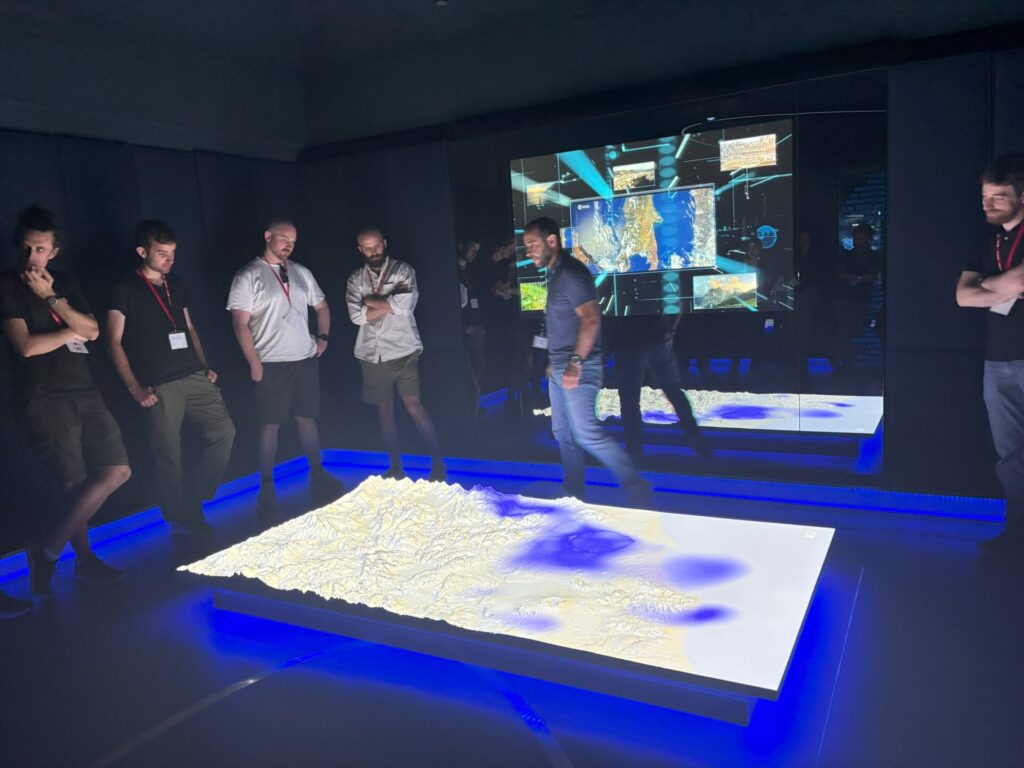
Last but not least, we had a unique opportunity to tour two of the research facilities at BAS: the Mission Control room and the Herbarium. In the state-of-the-art Mission Control room our students journeyed to the Antartic, even if only virtually. In the Herbarium, hosting over 40,000 plant specimens from the polar and sub-polar regions, the students observed how the professionals organize the vast collection of plants and manage data. Seeing the inner workings of both facilities and interacting with researchers and technicians throughout the day, gave the visitors an excellent insight into the important work taking place at BAS and was an eye-opening experience with valuable takeaways.

We know how much our students value opportunities to network with like-minded individuals. We trust that the visit to BAS led to interdisciplinary collaborations, fresh perspectives, and constructive feedback, and hopefully elevated the quality of our students’ research.

The visit wouldn’t be possible without the support of Andrew Fleming, Ali Teague, and our two wonderful students Katie Lowery and Luisa Aviles Podgurski. A special thank you note goes out to our funder, the Natural Environment Research Council.